

Hey there, fellow marine enthusiasts! If you're knee - deep in a marine electrical project, you know that wrapping electrical wires isn't just a side gig—it's a crucial part that can make or break the whole setup. As a supplier in the electrical wire wrapping game, I've seen it all, and I'm here to share the ins and outs of how to wrap electrical wires for marine applications.
Why Wrapping Matters in Marine Settings
First off, let's talk about why wire wrapping is such a big deal in the marine world. The marine environment is a harsh one. There's saltwater, which is incredibly corrosive, high humidity that can lead to rust and short - circuits, and temperature fluctuations that can cause materials to expand and contract. Wrapping electrical wires provides a protective layer that shields the wires from these elements.
Without proper wrapping, wires can corrode quickly. Saltwater can seep into the core of the wire, causing oxidation and increasing resistance. This not only reduces the efficiency of the electrical system but also poses a serious safety risk, like the potential for electrical fires or equipment failure.
Types of Wraps for Marine Wires
Now, let's look at some of the common types of wraps we offer.
Paper Wrapped Wire
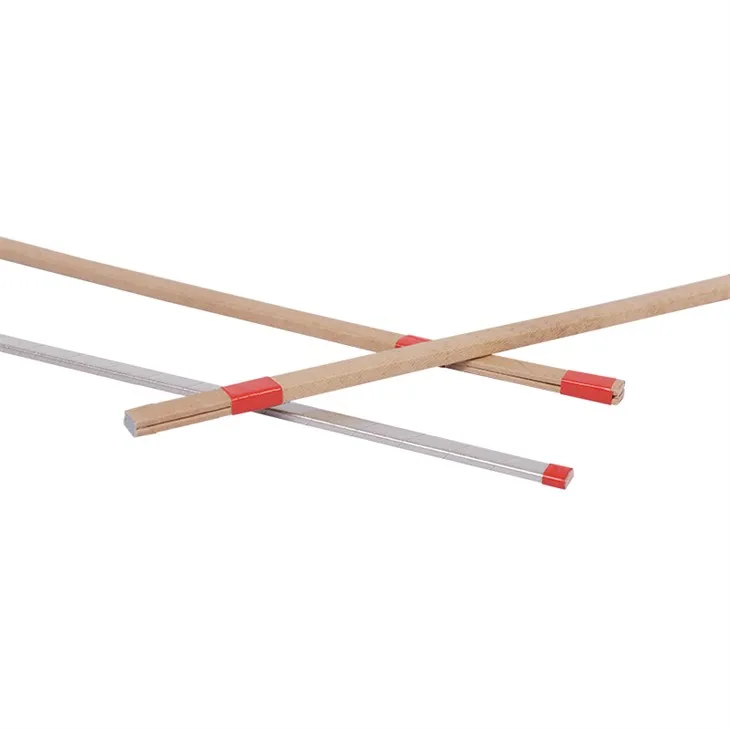
Paper Wrapped Wire is a classic choice. It's cost - effective and provides good insulation. The paper acts as a barrier against moisture and some minor abrasions. In many low - voltage marine electrical systems, this type of wrap does the job just fine. It's also relatively easy to work with, which is great if you're doing some DIY electrical work on your boat.
Polyimide And F46 Film Wrapped Copper Wire
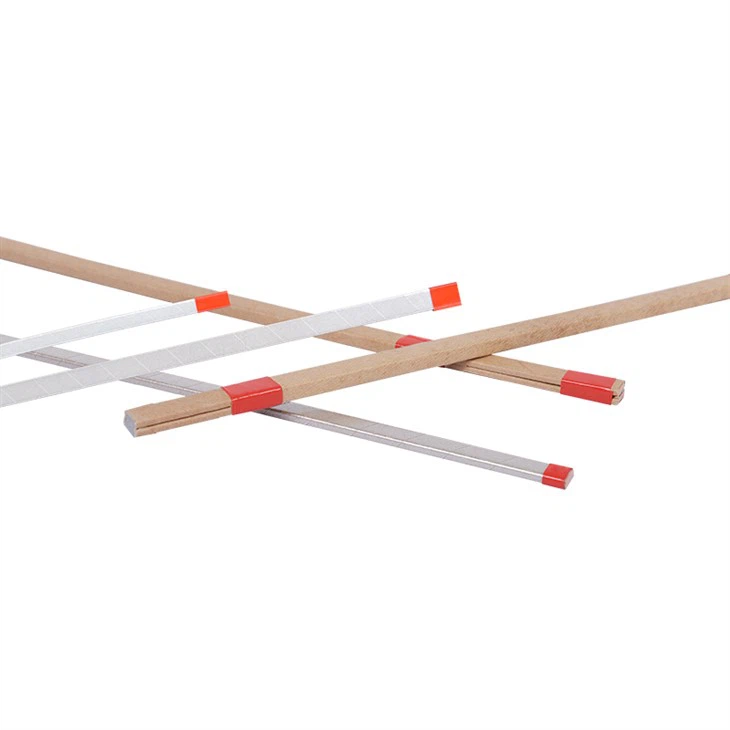
For more demanding applications, Polyimide And F46 Film Wrapped Copper Wire is a top - notch option. Polyimide is known for its excellent thermal stability, and the F46 film adds a high level of chemical resistance. This combination makes it ideal for high - temperature and high - voltage areas on a boat, like near the engine or in the electrical control panels.
Film Wrapped Wire
Film Wrapped Wire is another versatile choice. The film can be made from various materials, each with its own set of properties. Some films offer enhanced flexibility, which is great for wires that need to be routed around tight spaces on a boat. Others provide better resistance to UV rays, which is important if the wires are going to be exposed to sunlight for long periods.
Step - by - Step Guide to Wrapping Electrical Wires
Step 1: Prepare the Wires
Before you start wrapping, make sure the wires are clean and dry. Any dirt, grease, or moisture on the wires can reduce the effectiveness of the wrap. Use a clean cloth to wipe down the wires, and if necessary, you can use a mild electrical cleaner. Also, check for any damage to the wires. If there are any cuts or frays, it's best to repair or replace the wire before wrapping.
Step 2: Choose the Right Wrap
Based on the application, select the appropriate type of wrap. Consider factors like voltage, temperature, and exposure to elements. If you're not sure which wrap is best, you can always reach out to us for advice.
Step 3: Start Wrapping
Begin at one end of the wire. Hold the wrap firmly and start winding it around the wire in a spiral motion. Make sure the wraps overlap slightly to ensure complete coverage. The amount of overlap depends on the type of wrap and the application. For most wraps, a 50% overlap is a good rule of thumb.
Step 4: Secure the End
Once you've reached the other end of the wire, secure the end of the wrap. You can use electrical tape or a small zip - tie to hold it in place. Make sure it's tight enough so the wrap doesn't come loose, but not so tight that it damages the wire or the wrap.
Step 5: Inspect the Wrap
After wrapping, take a close look at the wrapped wire. Check for any gaps or areas where the wrap might be loose. If you find any issues, go back and fix them before installing the wire in your marine electrical system.
Tips for a Successful Wrap
- Use the Right Tools: A good pair of wire strippers, scissors, and a tape measure can make the wrapping process much easier.
- Work in a Clean Environment: This reduces the chances of getting dirt or debris between the wire and the wrap.
- Take Your Time: Rushing the wrapping process can lead to mistakes, so be patient and do it right.
Quality Assurance and Our Role as a Supplier
As a supplier, we take quality seriously. All our wire wraps go through rigorous testing to ensure they meet the highest standards for marine applications. We use the best materials and manufacturing processes to make sure our wraps can withstand the harsh marine environment.
We also offer a wide range of sizes and types of wraps to meet the diverse needs of our customers. Whether you're working on a small fishing boat or a large yacht, we have the right solution for you.
Get in Touch for Your Wrapping Needs
If you're in the market for high - quality electrical wire wraps for your marine project, don't hesitate to reach out. We're here to help you find the perfect wrap for your specific requirements. Whether you have questions about the types of wraps, need advice on installation, or are ready to place an order, we're just a message away.
Contact us to start discussing your project and let's work together to make your marine electrical system safe, reliable, and efficient.
References
- Brown, A. (2020). Marine Electrical Systems: A Comprehensive Guide. Seafaring Press.
- Johnson, R. (2019). Electrical Insulation Materials and Their Applications. Electrical Tech Publishing.