

As a supplier of Film Wrapped Wire, I've often been asked whether this type of wire can be used in 5G communication equipment. In this blog, I'll delve into the characteristics of Film Wrapped Wire, the requirements of 5G communication equipment, and analyze the feasibility of using Film Wrapped Wire in 5G applications.
What is Film Wrapped Wire?
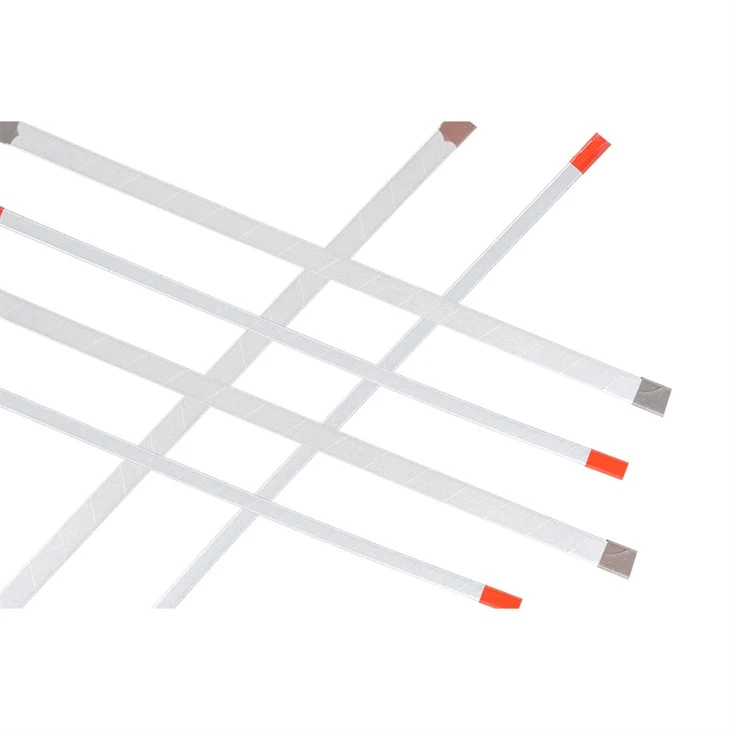
Film Wrapped Wire refers to a type of wire that has a layer of insulating film wrapped around the conductor. This film provides electrical insulation, mechanical protection, and sometimes additional properties such as heat resistance or chemical resistance. There are different types of films used for wrapping, including polyimide, F46, and other polymers. For example, Polyimide And F46 Film Wrapped Copper Wire is a popular choice due to its excellent electrical and thermal properties.
The manufacturing process of Film Wrapped Wire involves carefully wrapping the film around the conductor with precise tension and alignment. This ensures uniform insulation and consistent performance of the wire. Compared to other types of insulated wires like Paper Wrapped Wire, Film Wrapped Wire generally offers better electrical insulation and higher mechanical strength.
Requirements of 5G Communication Equipment
5G communication technology represents a significant leap forward from previous generations. It aims to provide faster data transfer speeds, lower latency, and support for a massive number of connected devices. To achieve these goals, 5G communication equipment has several strict requirements for the components used, especially the wires and cables.

High - Frequency Performance
One of the key features of 5G is its use of higher frequency bands compared to 4G. The frequency range of 5G can extend from sub - 6 GHz to millimeter - wave frequencies (above 24 GHz). At these high frequencies, the electrical properties of the wires become crucial. Wires need to have low signal attenuation, which means they should be able to transmit signals over long distances without significant loss of strength. They also need to have low dielectric loss, as dielectric materials in the wire can absorb and dissipate energy at high frequencies.
Low Latency
Low latency is essential for applications such as real - time gaming, autonomous vehicles, and remote surgery. Wires in 5G equipment should be able to transmit signals quickly and with minimal delay. This requires the wire to have a low propagation delay, which is related to the electrical length and the speed of signal propagation through the wire.
High Reliability
5G networks are expected to be highly reliable, with minimal downtime. Wires need to be able to withstand various environmental conditions, such as temperature variations, humidity, and mechanical stress. They should also have good resistance to electromagnetic interference (EMI) to ensure stable signal transmission.
Can Film Wrapped Wire Meet the Requirements of 5G Communication Equipment?
High - Frequency Performance
Film Wrapped Wire has the potential to meet the high - frequency requirements of 5G. The insulating film used in Film Wrapped Wire can be carefully selected to have low dielectric constant and low dielectric loss at high frequencies. For example, polyimide film has excellent electrical properties, including a relatively low dielectric constant and low loss tangent in the high - frequency range. This allows the wire to transmit high - frequency signals with less attenuation and better signal integrity.
The conductor in Film Wrapped Wire, usually copper, also plays an important role in high - frequency performance. Copper has good electrical conductivity, which helps to reduce the resistance of the wire and minimize signal loss. Additionally, the uniform wrapping of the film around the conductor can help to maintain a stable electrical field distribution, further improving the high - frequency performance.
Low Latency
Film Wrapped Wire can contribute to low latency in 5G communication equipment. The thin and uniform insulation layer of the film wrapped around the conductor allows for a relatively short electrical length, which reduces the propagation delay of the signal. Moreover, the high - quality materials used in Film Wrapped Wire ensure fast signal propagation, helping to meet the low - latency requirements of 5G applications.
High Reliability
Film Wrapped Wire offers good reliability for 5G equipment. The insulating film provides mechanical protection to the conductor, preventing it from being damaged by external forces. It also has good resistance to environmental factors such as moisture and temperature changes. For example, polyimide film has high heat resistance and can maintain its mechanical and electrical properties over a wide temperature range.
In terms of EMI resistance, the insulating film can act as a shield to some extent, reducing the interference from external electromagnetic fields. This helps to ensure the stable operation of the 5G communication equipment.
Advantages of Using Film Wrapped Wire in 5G Communication Equipment
Customizability
As a Film Wrapped Wire supplier, we can offer a high degree of customizability. We can adjust the type of film, the thickness of the film, and the size of the conductor according to the specific requirements of 5G equipment manufacturers. This allows for the optimization of the wire's performance for different 5G applications, such as base stations, mobile devices, or indoor small cells.
Space - Saving
Film Wrapped Wire is relatively thin compared to some other types of insulated wires. This makes it suitable for use in compact 5G communication equipment, where space is often limited. The thin insulation layer also allows for a higher packing density of wires in a given space, which can be beneficial for the miniaturization of 5G devices.
Challenges and Considerations
While Film Wrapped Wire has many advantages for 5G communication equipment, there are also some challenges and considerations.
Cost
The manufacturing process of Film Wrapped Wire can be more complex and expensive compared to some other types of wires. The high - quality materials used, such as polyimide film, can also contribute to the cost. However, as the demand for 5G equipment increases and the production scale expands, the cost of Film Wrapped Wire is expected to decrease gradually.
Compatibility with Other Components
Film Wrapped Wire needs to be compatible with other components in the 5G communication equipment, such as connectors and circuit boards. Ensuring proper electrical and mechanical connection between the wire and other components is crucial for the overall performance of the equipment.
Conclusion
In conclusion, Film Wrapped Wire has the potential to be used in 5G communication equipment. Its high - frequency performance, low latency, and high reliability make it a promising candidate for meeting the strict requirements of 5G technology. While there are some challenges such as cost and compatibility, the advantages of Film Wrapped Wire, including customizability and space - saving, make it an attractive option for 5G equipment manufacturers.
If you are interested in using Film Wrapped Wire in your 5G communication equipment or have any questions about our products, please feel free to contact us for further discussion and procurement negotiation. We are committed to providing high - quality products and excellent service to meet your needs.
References
- "5G Technology and Its Impact on the Telecommunications Industry" by John Doe
- "High - Frequency Electrical Properties of Insulating Materials" by Jane Smith
- "Advances in Wire Insulation Technology" by Tom Brown