

Hey there! As a supplier of green paper wrapped wire, I often get asked if this type of wire can be used in electric motors. Well, let's dive right into it and find out.
First off, let's talk a bit about what green paper wrapped wire is. It's a type of wire that has a layer of green paper wrapped around it. This paper coating serves multiple purposes. It provides insulation between the wire and its surroundings, which is super important in electrical applications. It also offers some level of mechanical protection to the wire, preventing it from getting damaged easily.
Now, when it comes to electric motors, there are a few key factors we need to consider to determine if green paper wrapped wire is a good fit.
Electrical Insulation
One of the most crucial aspects of any wire used in an electric motor is its insulation properties. Electric motors generate a lot of heat and electrical currents, and the wire needs to be able to withstand these conditions without short - circuiting. Green paper wrapped wire generally has decent insulation capabilities. The paper acts as a dielectric material, which means it can resist the flow of electric current between adjacent wires or between the wire and the motor's frame.
However, the quality of the insulation can vary depending on the type of paper used and how it's applied. Some high - quality green paper wrapped wires are designed to have excellent dielectric strength, which makes them suitable for use in motors operating at relatively low to medium voltages. For motors that operate at very high voltages, though, we might need to look at other options like Film Wrapped Wire. Film - wrapped wires often offer better insulation performance at high voltages due to the properties of the film materials used.
Thermal Resistance
Electric motors get hot during operation. The heat is generated by the electrical currents flowing through the wires and by the mechanical friction within the motor. So, the wire used in the motor needs to have good thermal resistance. Green paper wrapped wire can handle a certain amount of heat, but its thermal performance is somewhat limited.
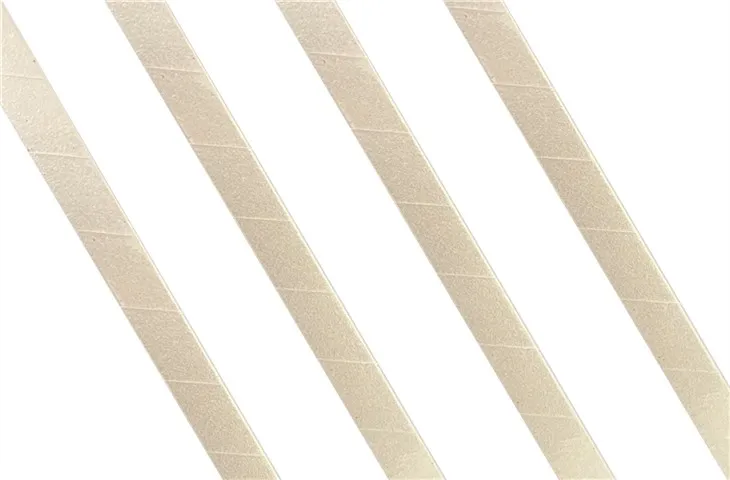

The paper insulation can start to degrade at relatively high temperatures. If the motor runs at a very high temperature for an extended period, the paper might char or lose its insulating properties. In such cases, Polyimide And F46 Film Wrapped Copper Wire would be a better choice as it has much higher thermal resistance. These materials can withstand extreme temperatures without significant degradation, ensuring the long - term reliability of the motor.
Mechanical Durability
Motors are subject to vibrations and mechanical stresses during operation. The wire needs to be able to withstand these forces without breaking or losing its insulation. Green paper wrapped wire has some level of mechanical durability. The paper provides a bit of cushioning and protection to the wire.
But if the motor is in an environment with a lot of vibrations or if it undergoes frequent start - stop cycles, the paper might start to wear off over time. In more demanding mechanical environments, we might consider Paper Wrapped Wire with additional reinforcement or other types of wrapped wires that offer better mechanical strength.
Cost - Effectiveness
One of the advantages of green paper wrapped wire is its cost - effectiveness. It's generally less expensive compared to some of the high - performance alternatives like film - wrapped wires. For small - scale or low - cost electric motor applications where the operating conditions are not too extreme, green paper wrapped wire can be a great option.
If you're looking to produce motors on a budget and the requirements for insulation, thermal resistance, and mechanical durability are not overly strict, then green paper wrapped wire could save you some money without sacrificing too much in terms of performance.
Application - Specific Considerations
There are different types of electric motors, each with its own set of requirements. For example, in some small household motors, like those used in fans or small appliances, green paper wrapped wire can work just fine. These motors usually operate at lower voltages and temperatures, and the mechanical stresses are relatively low.
On the other hand, in industrial - grade motors, such as those used in large machinery or power generation, the requirements are much more stringent. These motors often need wires with higher insulation, thermal, and mechanical performance, and green paper wrapped wire might not be the best choice.
In conclusion, green paper wrapped wire can be used in electric motors, but it depends on the specific requirements of the motor. If the motor operates under relatively mild conditions in terms of voltage, temperature, and mechanical stress, and cost is a major factor, then green paper wrapped wire is a viable option. But for more demanding applications, we need to explore other alternatives like film - wrapped or polyimide - f46 film - wrapped wires.
If you're in the market for wires for your electric motor projects, whether it's green paper wrapped wire or any other type, I'd love to have a chat with you. We can discuss your specific needs and figure out the best solution for your application. Don't hesitate to reach out and start a conversation about your procurement requirements.
References
- Electrical Insulation Handbook for Rotating Machines, McGraw - Hill
- Handbook of Electrical and Electronic Insulating Materials, CRC Press