

As a supplier of wrapped wire, I often encounter inquiries about the suitability of wrapped wire for LED lighting applications. In this blog post, I will delve into the technical aspects, advantages, and considerations of using wrapped wire in LED lighting to provide a comprehensive understanding for potential customers.
Technical Feasibility of Wrapped Wire in LED Lighting
LED lighting systems typically require electrical conductors to transmit power and signals. Wrapped wire, which consists of a conductive core (usually copper) wrapped with various insulating materials, can meet the electrical requirements of LED lighting. The insulating layer serves to prevent short - circuits and electrical leakage, ensuring the safe and stable operation of the LED lights.
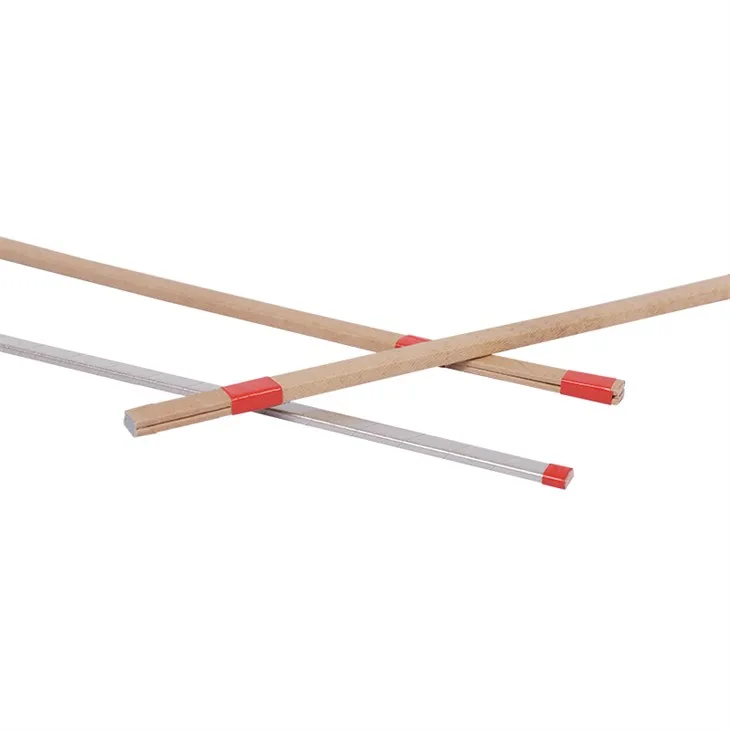
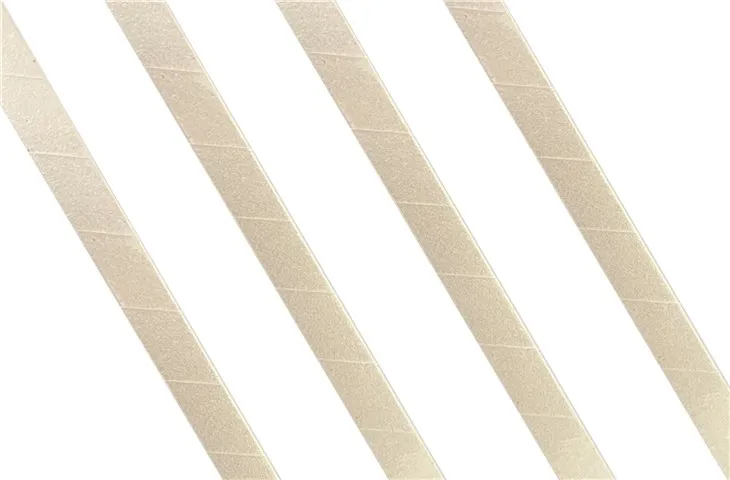
There are different types of wrapped wire available, each with its own properties that can be beneficial for LED lighting. For example, Paper Wrapped Wire offers good insulation properties. The paper insulation is relatively inexpensive and can provide adequate protection against electrical interference in low - to medium - power LED lighting applications. The paper wrapping also has some flexibility, which can be useful during the installation process where the wire may need to be bent or routed around components.
Polyimide And F46 Film Wrapped Copper Wire is another option. Polyimide and F46 film have excellent thermal stability and high dielectric strength. LED lights can generate heat during operation, and this type of wrapped wire can withstand high temperatures without significant degradation of its insulation properties. This makes it suitable for high - power LED lighting systems where heat management is crucial.
Film Wrapped Wire provides a smooth and uniform insulation layer. The film can be engineered to have specific electrical and mechanical properties, such as high resistance to abrasion and chemicals. In LED lighting installations where the wire may be exposed to harsh environmental conditions or rough handling, film - wrapped wire can offer enhanced durability.
Advantages of Using Wrapped Wire in LED Lighting
1. Electrical Insulation
The primary function of the wrapping material in wrapped wire is to insulate the conductive core. In LED lighting, proper insulation is essential to prevent short - circuits between different electrical components. A well - insulated wire ensures that the electrical current flows only through the intended path, reducing the risk of malfunctions and electrical hazards.
2. Thermal Management
As mentioned earlier, some types of wrapped wire, such as those with polyimide and F46 film insulation, can help with thermal management. By withstanding high temperatures, they can prevent the insulation from melting or degrading, which could otherwise lead to electrical problems. This is particularly important in high - power LED fixtures where heat dissipation is a challenge.
3. Mechanical Protection
The wrapping material also provides mechanical protection to the conductive core. It can prevent the wire from being damaged by physical contact, bending, or stretching during installation and use. This is especially useful in LED lighting systems where the wires may need to be routed through tight spaces or around other components.
4. Customizability
Wrapped wire can be customized to meet the specific requirements of LED lighting applications. The choice of wrapping material, thickness, and other parameters can be adjusted according to factors such as the power rating of the LED lights, the operating environment, and the installation method.
Considerations When Using Wrapped Wire in LED Lighting
1. Compatibility with LED Drivers
LED drivers are an important part of LED lighting systems, as they regulate the electrical current and voltage supplied to the LEDs. The wrapped wire used in the system must be compatible with the electrical characteristics of the LED driver. For example, the wire's resistance and capacitance should not cause significant voltage drops or interference with the driver's operation.
2. Environmental Conditions
The operating environment of the LED lighting system can have a significant impact on the performance of the wrapped wire. If the lights are installed in a humid or corrosive environment, the wrapping material must be resistant to moisture and chemicals. In outdoor applications, the wire should also be able to withstand UV radiation and temperature variations.
3. Cost - Effectiveness
While wrapped wire offers many advantages, the cost is also an important consideration. Different types of wrapped wire have different price points, and customers need to balance the performance requirements with the budget. For low - cost LED lighting projects, paper - wrapped wire may be a more suitable choice, while high - end applications may require more expensive but higher - performance options like polyimide - wrapped wire.
Case Studies
Let's take a look at some real - world examples of using wrapped wire in LED lighting.
In a commercial office building, a large - scale LED lighting system was installed. The designers chose film - wrapped wire for its durability and resistance to abrasion. The wire was routed through the ceiling and walls, and its smooth insulation layer made it easy to install without getting caught on other objects. Over time, the lighting system has been operating reliably, with no reported electrical problems due to wire damage.
In a high - power LED street lighting project, polyimide and F46 film - wrapped copper wire was used. The high - temperature resistance of the wire allowed it to handle the heat generated by the powerful LEDs, ensuring long - term stability and reducing the maintenance requirements.
Conclusion
In conclusion, wrapped wire can indeed be used in LED lighting, and it offers several advantages in terms of electrical insulation, thermal management, mechanical protection, and customizability. However, customers need to carefully consider factors such as compatibility with LED drivers, environmental conditions, and cost - effectiveness when choosing the right type of wrapped wire for their LED lighting projects.
If you are interested in using wrapped wire for your LED lighting applications, I encourage you to contact us for more information. Our team of experts can help you select the most suitable wrapped wire based on your specific requirements. We look forward to discussing your project and providing you with high - quality wrapped wire solutions.
References
- "Handbook of Electrical Insulating Materials"
- "LED Lighting Technology and Applications"