

As a seasoned supplier of Flat Twisted Cable, I've witnessed firsthand the importance of flexibility in these cables. In various industries, from electronics to automotive, the ability of a Flat Twisted Cable to bend and conform to different shapes without sacrificing performance is crucial. In this blog post, I'll share some effective strategies on how to improve the flexibility of Flat Twisted Cable based on my years of experience in the field.
Understanding the Basics of Flat Twisted Cable
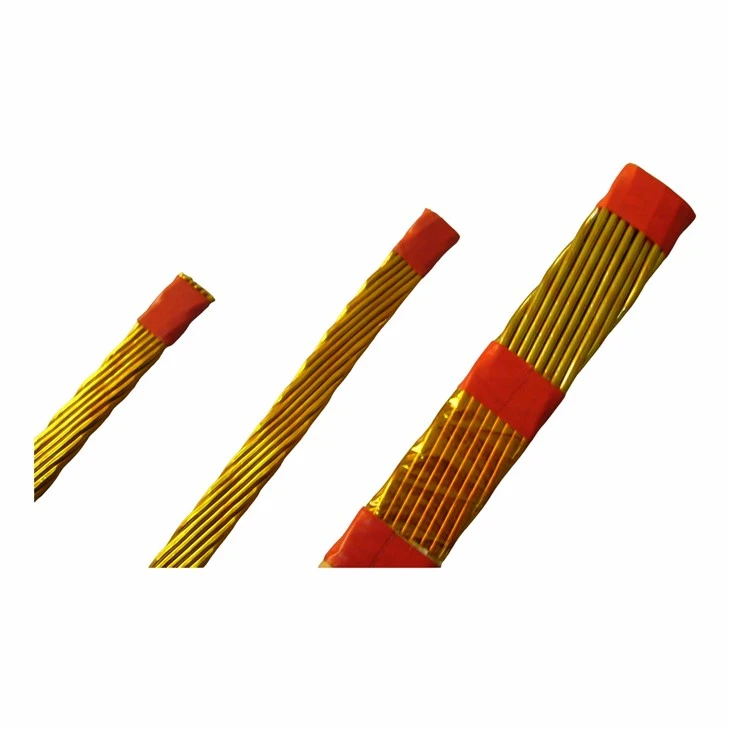
Before delving into the ways to enhance flexibility, it's essential to understand what Flat Twisted Cable is. A Flat Twisted Cable consists of multiple conductors twisted together in a flat configuration. This design offers several advantages, such as reduced electromagnetic interference (EMI) and improved signal integrity. However, achieving optimal flexibility can be a challenge, especially when dealing with high - density or large - gauge cables.
Material Selection
One of the most fundamental factors influencing the flexibility of a Flat Twisted Cable is the choice of materials.
Conductors
The type of conductor material plays a significant role. Copper is a popular choice due to its excellent electrical conductivity. However, different copper alloys can have varying levels of flexibility. For example, oxygen - free copper (OFC) is known for its high purity and relatively good flexibility. In some cases, using a stranded conductor instead of a solid one can also improve flexibility. Stranded conductors are made up of multiple smaller wires twisted together, allowing them to bend more easily.
Insulation
The insulation material is equally important. Soft and flexible insulation materials, such as silicone rubber or certain types of thermoplastic elastomers (TPE), can significantly enhance the cable's flexibility. Silicone rubber has excellent heat resistance and flexibility over a wide temperature range. TPEs, on the other hand, offer a good balance between flexibility, mechanical strength, and cost - effectiveness. When selecting insulation, it's also important to consider its thickness. Thinner insulation generally allows for greater flexibility, but it must still provide adequate electrical insulation and protection.
Cable Design
The design of the Flat Twisted Cable itself can be optimized to improve flexibility.
Twisting Pitch
The twisting pitch, which is the distance over which the conductors complete one full twist, has a direct impact on flexibility. A shorter twisting pitch generally results in a more flexible cable. This is because the shorter pitch allows the conductors to move more freely relative to each other when the cable is bent. However, a very short pitch may increase the complexity of the manufacturing process and potentially affect the cable's electrical performance. Therefore, finding the right balance is crucial.
Cable Geometry
The overall geometry of the cable, including its width and thickness, can also affect flexibility. A thinner and narrower cable is typically more flexible than a thicker and wider one. Designers can experiment with different geometries to achieve the desired level of flexibility while still meeting the electrical and mechanical requirements of the application.
Manufacturing Processes
The manufacturing processes used to produce Flat Twisted Cable can also be adjusted to improve flexibility.
Stranding Process
As mentioned earlier, using stranded conductors can enhance flexibility. The stranding process involves twisting multiple smaller wires together to form a larger conductor. The way these wires are stranded, such as the number of layers and the direction of twisting, can affect the final flexibility of the cable. For example, a concentric stranding pattern with multiple layers of wires can provide good flexibility and mechanical strength.
Insulation Extrusion
The extrusion process used to apply the insulation to the conductors can also impact flexibility. Maintaining a consistent insulation thickness and ensuring proper adhesion between the insulation and the conductors are important. Uneven insulation thickness can cause stress concentrations when the cable is bent, reducing its flexibility. Additionally, using advanced extrusion techniques that allow for a more uniform and smooth insulation surface can improve the cable's overall flexibility.
Post - Manufacturing Treatments
After the cable is manufactured, certain post - manufacturing treatments can be applied to further enhance flexibility.
Annealing
Annealing is a heat treatment process that can be used to relieve internal stresses in the conductors. This process involves heating the cable to a specific temperature and then slowly cooling it. Annealing can make the conductors more ductile and flexible. However, it must be carefully controlled to avoid damaging the insulation or affecting the cable's electrical properties.

Lubrication
Applying a lubricant to the cable can reduce friction between the conductors and the insulation, making it easier for the cable to bend. Silicone - based lubricants are commonly used due to their good lubricating properties and compatibility with many insulation materials.
Applications and Compatibility
When considering ways to improve the flexibility of Flat Twisted Cable, it's important to take into account the specific application and any compatibility requirements.
Industry - Specific Requirements
Different industries have different requirements for cable flexibility. For example, in the robotics industry, cables need to be extremely flexible to accommodate the complex movements of robotic arms. In the aerospace industry, cables must be flexible while also meeting strict weight and safety requirements. Understanding these industry - specific needs is essential when designing and manufacturing Flat Twisted Cable.
Compatibility with Other Components
The cable must be compatible with other components in the system, such as connectors and terminals. A flexible cable may not be effective if it cannot be properly connected to other parts of the system. Therefore, when improving flexibility, it's important to ensure that the cable can still be easily and securely connected to other components.
Conclusion
Improving the flexibility of Flat Twisted Cable requires a comprehensive approach that considers material selection, cable design, manufacturing processes, and post - manufacturing treatments. By carefully choosing the right materials, optimizing the cable design, and using appropriate manufacturing and treatment techniques, it's possible to produce cables with excellent flexibility that meet the diverse needs of various industries.
If you're in the market for high - quality, flexible Flat Twisted Cable, or if you have specific requirements for your application, I encourage you to reach out for a procurement discussion. Our team of experts is ready to work with you to find the best solutions for your needs.
References
- Grover, P. K. (2010). Electrical Cables: Design, Manufacture, Installation, and Testing. CRC Press.
- Neher, J. H., & McGrath, M. H. (1957). The calculation of the temperature rise and load capability of cable systems. AIEE Transactions, 76(3), 752 - 772.
- Perry, R. H., & Green, D. W. (1997). Perry's Chemical Engineers' Handbook. McGraw - Hill.