

In the world of electrical engineering and manufacturing, film wrapped wire plays a crucial role. As a dedicated Film Wrapped Wire supplier, I am well - versed in the materials used to make this essential product. This blog post will delve into the various materials employed in the production of film wrapped wire, their properties, and how they contribute to the overall performance of the wire.
Copper: The Core Material
Copper is the most commonly used core material for film wrapped wire. It is highly conductive, which means it can efficiently carry electrical current with minimal loss. Copper has excellent thermal conductivity as well, allowing it to dissipate heat effectively. This property is particularly important in applications where the wire may be subjected to high currents or operate in environments with elevated temperatures.
The purity of copper used in film wrapped wire is typically very high. Oxygen - free copper (OFC) is often preferred as it has even better conductivity and fewer impurities compared to regular copper. The smooth surface of copper wire also makes it an ideal substrate for the film wrapping process.
Film Materials
Polyimide Film
Polyimide film is a popular choice for wrapping copper wire. It has excellent mechanical properties, such as high tensile strength and flexibility. This means that the film can withstand bending and stretching without cracking or peeling off from the wire. Polyimide film also has outstanding thermal stability, with a high glass transition temperature. It can operate in a wide temperature range, from - 200°C to over 200°C, making it suitable for use in extreme environments.
In addition, polyimide film has good electrical insulation properties. It can effectively prevent electrical leakage and short - circuits, ensuring the safety and reliability of the wire. Its chemical resistance is also remarkable, allowing it to resist the effects of various chemicals and solvents. This makes polyimide film - wrapped wire suitable for use in industries such as aerospace, electronics, and telecommunications. For more information about Polyimide And F46 Film Wrapped Copper Wire, you can visit our website.
F46 Film
F46 film, also known as perfluoroethylene - propylene copolymer film, is another important material for film wrapped wire. F46 film has extremely low dielectric constant and dielectric loss, which is beneficial for high - frequency applications. It can maintain stable electrical performance even at high frequencies, reducing signal attenuation and interference.
F46 film also has excellent chemical resistance and non - stick properties. It is resistant to most chemicals, including strong acids and alkalis. Its non - stick surface makes it easy to process and prevents the adhesion of dirt and other substances. This is particularly useful in applications where the wire needs to be kept clean and free from contaminants.
Other Film Materials
There are also other film materials used in the production of film wrapped wire. For example, polyester film is a cost - effective option. It has good mechanical and electrical properties, and is suitable for general - purpose applications. Polyester film can provide a certain degree of insulation and protection for the wire at a relatively low cost.
Nylon film is another material that is sometimes used. It has high abrasion resistance and toughness, which can protect the wire from mechanical damage. Nylon film - wrapped wire is often used in applications where the wire may be subjected to friction or abrasion, such as in automotive wiring harnesses.
Adhesives
Adhesives are used to bond the film to the copper wire. The choice of adhesive is crucial as it affects the adhesion strength between the film and the wire, as well as the overall performance of the film wrapped wire.
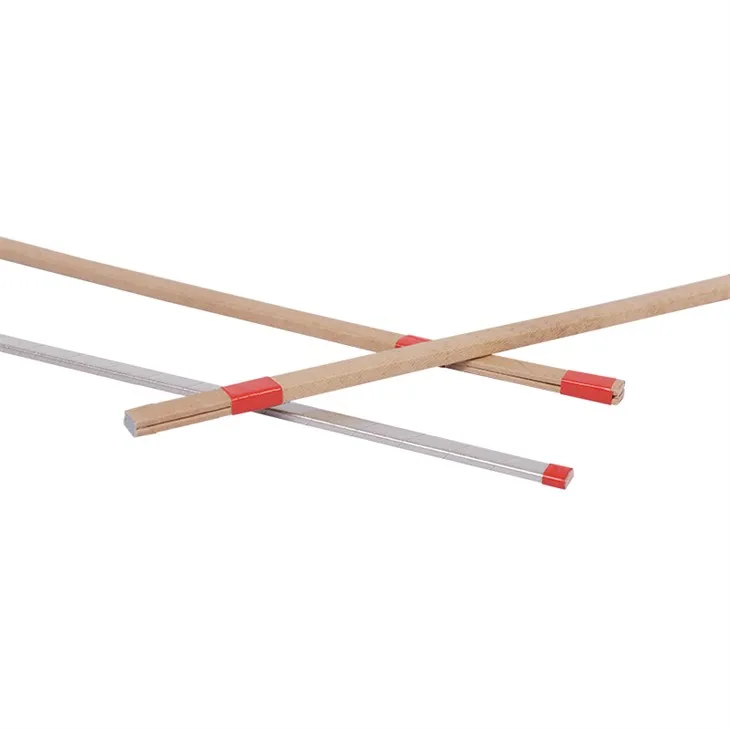

Epoxy adhesives are commonly used due to their high bonding strength and good chemical resistance. They can form a strong and durable bond between the film and the wire, ensuring that the film remains firmly attached even under harsh conditions. Epoxy adhesives also have good thermal stability, which is important for maintaining the integrity of the wire in high - temperature environments.
Silicone adhesives are another option. They have excellent flexibility and can withstand a wide range of temperatures. Silicone adhesives are often used in applications where the wire needs to be flexible or where there are large temperature variations.
Comparison with Paper Wrapped Wire
While film wrapped wire has many advantages, it is also useful to compare it with Paper Wrapped Wire. Paper wrapped wire has been used for a long time in electrical applications. It is relatively inexpensive and has some degree of insulation. However, paper is more susceptible to moisture and mechanical damage compared to film.
Film wrapped wire, on the other hand, offers better protection against moisture, chemicals, and mechanical stress. The films used in film wrapped wire have superior electrical and thermal properties, which make them more suitable for high - performance applications. For more information about Film Wrapped Wire, you can visit our website.
Conclusion
As a Film Wrapped Wire supplier, I understand the importance of using high - quality materials in the production of film wrapped wire. The choice of core material, film material, and adhesive all contribute to the performance, reliability, and durability of the wire. Whether it is for use in aerospace, electronics, automotive, or other industries, the right combination of materials can ensure that the film wrapped wire meets the specific requirements of each application.
If you are in need of film wrapped wire or have any questions about our products, please feel free to contact us for a detailed discussion. We are committed to providing you with the best - quality film wrapped wire and excellent customer service.
References
- "Handbook of Electrical and Electronic Insulating Materials"
- "Polymer Materials for Electrical Insulation"
- Industry reports on electrical wire manufacturing