

Winding wire is a crucial component in various electrical and electronic applications, from transformers and motors to inductors and solenoids. As a leading supplier of winding wire, I often receive inquiries about the materials used to make these essential products. In this blog post, I will explore the different materials commonly used in winding wire production, their properties, and their applications.
Copper
Copper is one of the most widely used materials for winding wire due to its excellent electrical conductivity, thermal conductivity, and ductility. It has a low resistance, which means that it can carry electrical current efficiently with minimal power loss. Copper is also highly malleable, making it easy to draw into thin wires and form into various shapes.
In addition to its electrical properties, copper is also resistant to corrosion, which makes it suitable for use in harsh environments. It can be coated with a variety of insulating materials, such as enamel, polyester, or polyimide, to provide additional protection and improve its performance.
Copper winding wire is commonly used in a wide range of applications, including power transformers, distribution transformers, electric motors, generators, and solenoids. It is also used in the telecommunications industry for making telephone cables and in the automotive industry for wiring harnesses.
Aluminum
Aluminum is another popular material for winding wire, especially in applications where weight and cost are important considerations. Aluminum has a lower density than copper, which means that it is lighter in weight. It is also less expensive than copper, making it a more cost-effective option for large-scale applications.
However, aluminum has a lower electrical conductivity than copper, which means that it has a higher resistance and can cause more power loss. To compensate for this, aluminum winding wire is often made with a larger cross-sectional area than copper wire. Aluminum is also more prone to oxidation than copper, which can reduce its conductivity over time. To prevent oxidation, aluminum wire is often coated with a protective layer, such as zinc or tin.
Aluminum winding wire is commonly used in power transformers, distribution transformers, and electric motors. It is also used in the aerospace industry for making lightweight wiring harnesses and in the solar energy industry for making photovoltaic cells.
Silver
Silver is the most conductive material available, with a higher electrical conductivity than both copper and aluminum. It also has excellent thermal conductivity and is highly resistant to corrosion. However, silver is also the most expensive material, which limits its use to applications where high performance is required and cost is not a major concern.
Silver winding wire is commonly used in high-frequency applications, such as radio frequency (RF) coils, microwave circuits, and high-speed data transmission cables. It is also used in the medical industry for making electrodes and in the aerospace industry for making high-performance wiring harnesses.
Gold
Gold is another highly conductive material, with a lower electrical conductivity than silver but higher than copper and aluminum. It is also highly resistant to corrosion and oxidation, which makes it suitable for use in harsh environments. However, like silver, gold is also very expensive, which limits its use to applications where high performance is required and cost is not a major concern.
Gold winding wire is commonly used in the electronics industry for making high-quality connectors, switches, and relays. It is also used in the medical industry for making electrodes and in the jewelry industry for making decorative items.
Other Materials
In addition to copper, aluminum, silver, and gold, there are several other materials that can be used to make winding wire, depending on the specific application requirements. These materials include:
- Nickel: Nickel has a high electrical resistance and is often used in heating elements and resistance wires.
- Tungsten: Tungsten has a high melting point and is often used in high-temperature applications, such as incandescent light bulbs and vacuum tubes.
- Molybdenum: Molybdenum has a high melting point and is often used in high-temperature applications, such as electric furnaces and heating elements.
- Carbon Fiber: Carbon fiber has a high strength-to-weight ratio and is often used in aerospace and automotive applications for making lightweight wiring harnesses.
Insulating Materials
In addition to the conductor material, winding wire also requires an insulating material to prevent electrical current from flowing between adjacent wires and to protect the wire from damage. The insulating material used depends on the specific application requirements, such as the operating temperature, voltage, and environmental conditions.
Some of the most commonly used insulating materials for winding wire include:
- Enamel: Enamel is a thin layer of insulation that is applied to the wire by dipping or spraying. It is commonly used in low-voltage applications, such as motors and transformers.
- Polyester: Polyester is a synthetic resin that is commonly used as an insulating material for winding wire. It has good electrical properties and is resistant to heat, moisture, and chemicals.
- Polyimide: Polyimide is a high-performance polymer that is commonly used as an insulating material for winding wire in high-temperature applications. It has excellent electrical properties and is resistant to heat, radiation, and chemicals.
- Fiber Glass: Fiber glass is a non-metallic material that is commonly used as an insulating material for winding wire in high-voltage applications. It has good electrical properties and is resistant to heat, moisture, and chemicals.
Conclusion
In conclusion, the choice of material for winding wire depends on several factors, including the specific application requirements, the operating temperature, voltage, and environmental conditions, and the cost. Copper and aluminum are the most commonly used materials for winding wire, due to their excellent electrical conductivity, thermal conductivity, and ductility. Silver and gold are used in applications where high performance is required and cost is not a major concern. Other materials, such as nickel, tungsten, molybdenum, and carbon fiber, are used in specific applications where their unique properties are required.
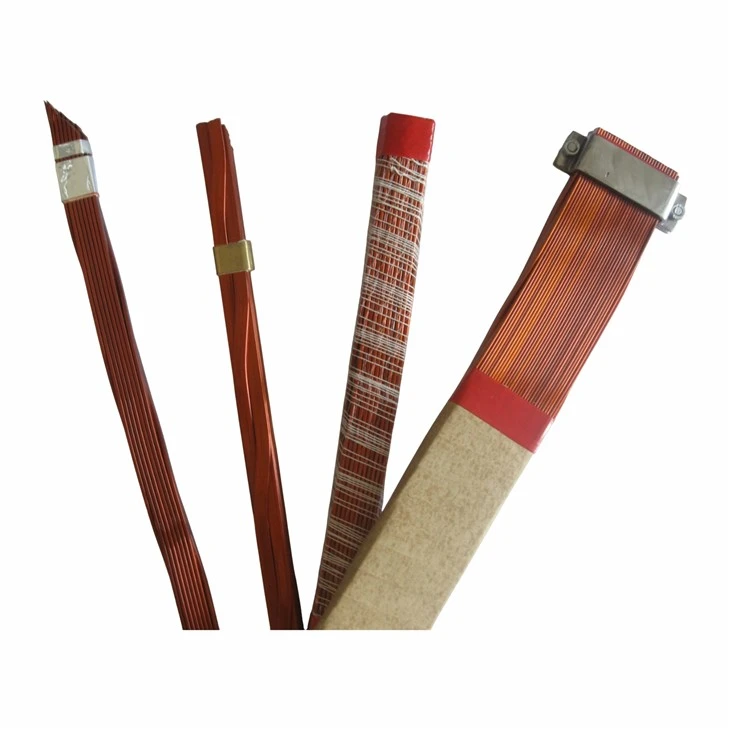
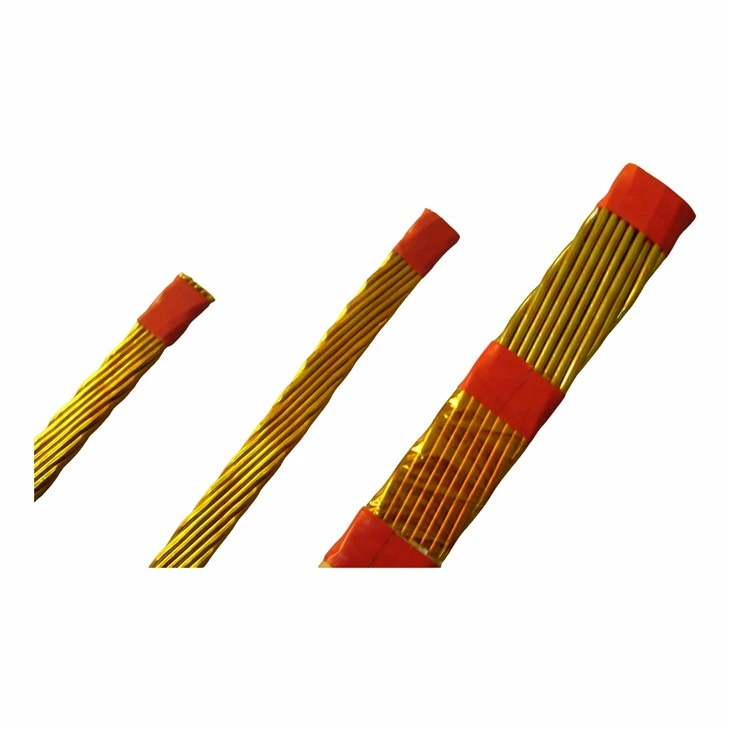
As a leading supplier of winding wire, we offer a wide range of products made from different materials and with different insulating materials to meet the specific needs of our customers. Our products include Rectangular Insulated Aluminum Stranded Cable, Flat Litz Wire, and Continuously Transposed Conductors.
If you are interested in learning more about our winding wire products or have any questions about the materials used to make them, please feel free to contact us. We would be happy to help you find the right solution for your application.
References
- Grover, F. W. (1946). Inductance Calculations: Working Formulas and Tables. Dover Publications.
- Kirtley, J. L. (2001). Electric Machinery Fundamentals. McGraw-Hill.
- Popovic, Z. D. (1997). RF Circuit Design: Theory and Applications. Wiley-Interscience.